
Hardwood Floors Installation vs. Engineered Wood Flooring
People seeking hardwood or engineered flooring installation aim to enhance their space with durable, attractive floors, and local contractors can expertly handle the installation process.
Choosing between hardwood floors installation and engineered wood flooring is a common consideration for property owners looking to enhance their space. Whether renovating a historic home or updating a newer property, understanding the differences can help make informed decisions. Local contractors who specialize in flooring installation can provide valuable insights tailored to specific needs, helping property owners weigh the benefits of each option based on factors like durability, installation complexity, and overall appearance. Exploring this topic further can reveal practical reasons why many in the area opt for one type over the other, making it easier to determine the best choice for your property.
As you read on, you'll discover how the unique qualities of hardwood and engineered wood flooring influence their suitability for different environments and lifestyles. Local service providers with experience in both installation types can assist in evaluating these factors, ensuring the selected flooring aligns with your property's demands. Whether prioritizing a classic look or considering installation conditions, understanding the nuances of hardwood floors installation versus engineered wood flooring can help property owners make confident, practical decisions for their space. Keep exploring to find the insights that will guide your next flooring project.
- Hardwood floors installation - homeowners considering a traditional, long-lasting flooring option often seek local contractors to handle the precise installation process.
- Engineered wood flooring - those needing a stable, moisture-resistant flooring solution for areas with fluctuating humidity may turn to local service providers specializing in engineered options.
- Hardwood floors installation - clients wanting to restore or upgrade existing hardwood surfaces often rely on local pros for expert sanding, finishing, and installation.
- Engineered wood flooring - projects requiring quick installation over concrete or existing flooring can benefit from local contractors experienced in engineered wood systems.
- Hardwood floors installation - individuals looking for authentic, high-quality wood flooring often seek local pros skilled in traditional hardwood setup techniques.
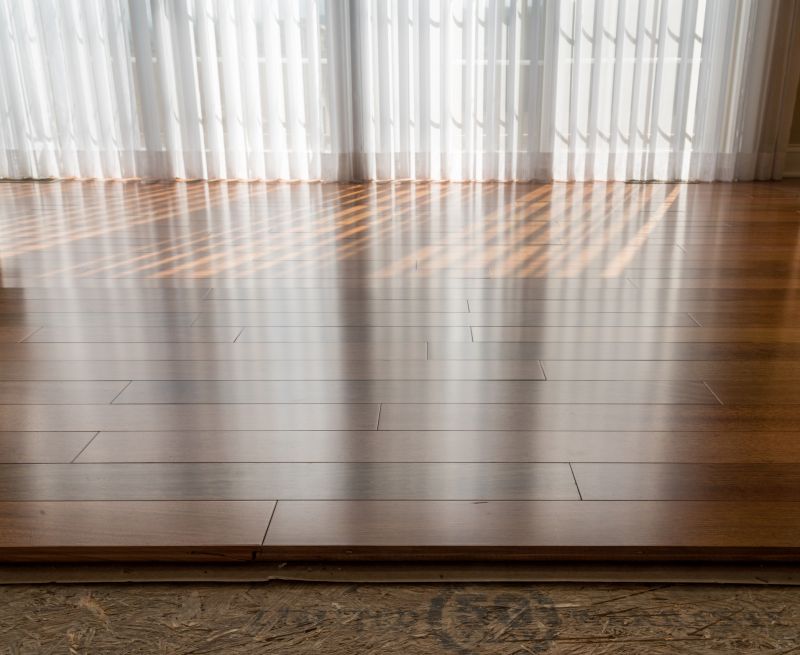
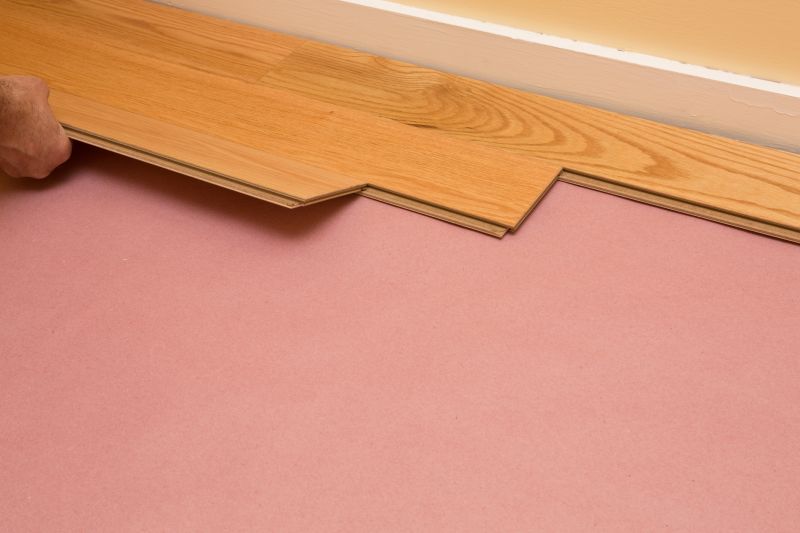
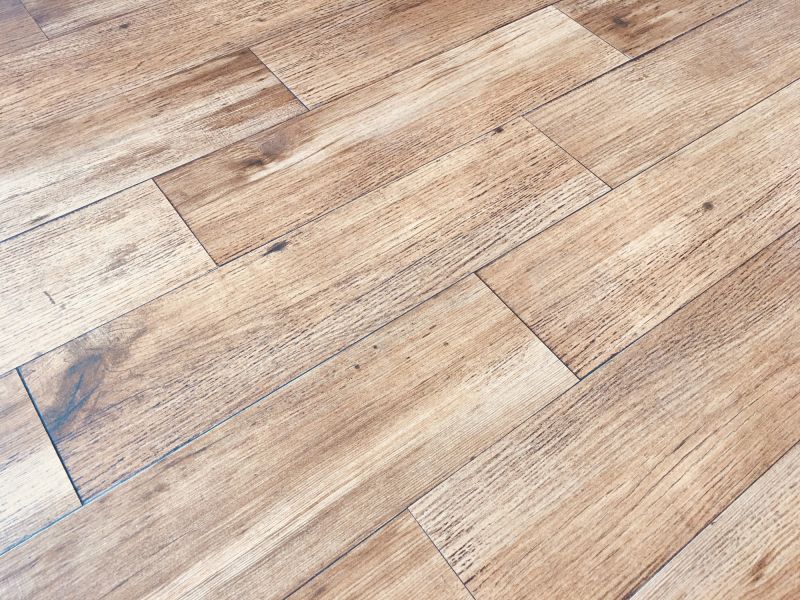
When homeowners search for information about hardwood floors installation versus engineered wood flooring, they are often trying to understand the fundamental differences between these two types of flooring materials. Many are exploring options for a new or existing space to determine which product aligns best with their needs, preferences, and lifestyle. This comparison typically arises during renovation projects, new construction, or when upgrading floors to improve aesthetics and value. Homeowners may also be concerned about how each flooring type performs in various environments, the installation process, and how well they will hold up over time.
The decision between hardwood and engineered wood flooring is connected to a range of practical considerations. Problems like moisture exposure, subfloor compatibility, and the desired appearance often influence the choice. For example, those planning to install flooring in basements, kitchens, or areas with higher humidity might lean toward engineered options, which tend to be more resistant to moisture. Conversely, homeowners seeking a classic, authentic wood look for living rooms or bedrooms might prefer traditional hardwood floors, which can provide a warm, timeless appeal. These considerations are closely tied to the specific plans for the property and the conditions that the flooring must withstand.
Properties that typically come up in discussions about hardwood floors installation versus engineered wood flooring include residential homes, especially those with multiple levels, as well as commercial spaces like retail stores or offices. Single-family houses often feature hardwood floors in main living areas, while engineered wood might be chosen for basements or spaces with concrete subfloors. Larger properties or renovations that require minimal disruption may also influence the decision, as engineered flooring can sometimes be easier and quicker to install. Understanding the property type helps homeowners identify which local service providers are best suited to handle the specific demands of their project.
Connecting these flooring options to real projects highlights the importance of working with experienced local contractors who specialize in hardwood and engineered wood flooring installation. These professionals can evaluate the property's specific conditions, recommend suitable materials, and ensure proper installation techniques. Whether the project involves replacing old flooring, upgrading a single room, or outfitting an entire property, local pros bring the expertise needed to execute the job effectively. Homeowners benefit from consulting with these specialists to make informed choices that match their property’s requirements and their personal preferences, ensuring a durable and attractive finished result.
Flooring Removal and Preparation - professionals experienced in flooring removal and subfloor preparation can handle tasks common to both hardwood and engineered wood flooring installations, ensuring a solid foundation for new flooring.
Subfloor Assessment and Repair - local contractors can evaluate and repair subfloors, a crucial step that impacts the success of hardwood and engineered wood flooring projects.
Trim and Baseboard Installation - installing or replacing trim and baseboards is often part of flooring projects, requiring similar carpentry skills used in hardwood and engineered wood flooring setups.
Underlayment Installation - proper underlayment placement is essential for engineered wood flooring and can be handled by service providers familiar with flooring systems.
Leveling and Floor Smoothing - achieving an even surface is vital for both types of flooring and involves skills in leveling and surface preparation that local pros can provide.
Custom Flooring Design and Patterning - creating intricate patterns or designs in wood flooring shares techniques with other detailed flooring projects, handled by experienced local contractors.
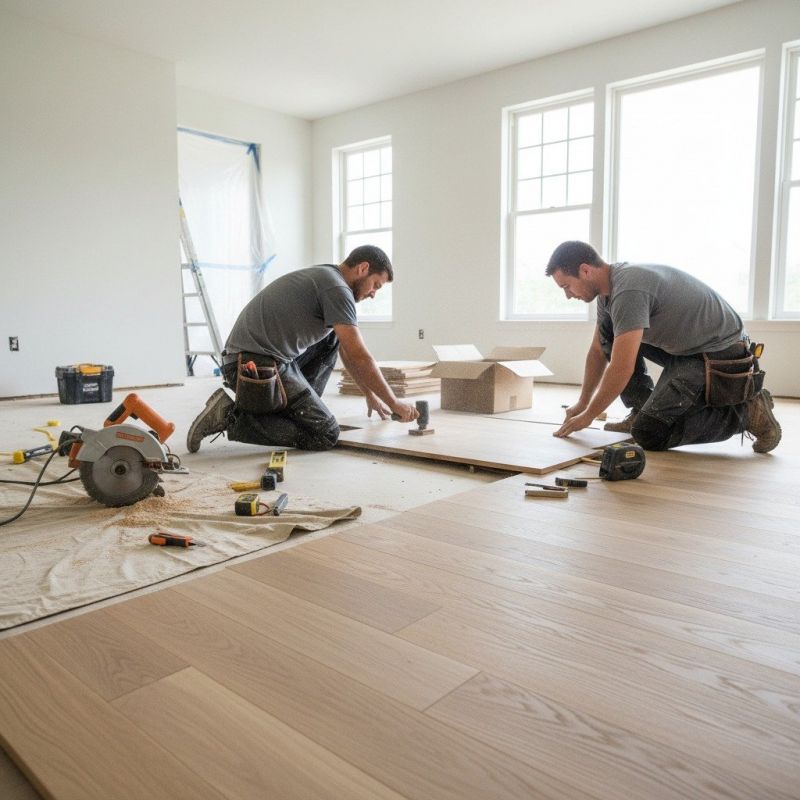
When comparing local contractors for hardwood floors installation versus engineered wood flooring, it is important to consider their experience with similar projects. Homeowners should inquire about the types of flooring projects the service providers have completed in the past, paying attention to whether they have worked extensively with both traditional hardwood and engineered wood options. A contractor’s familiarity with the specific requirements of each flooring type can help ensure proper installation, durability, and appearance. Reputable local contractors often have a portfolio of completed jobs or references that can demonstrate their expertise in handling the nuances of different flooring materials, giving homeowners confidence in their ability to deliver quality results.
Clear, written expectations are essential when choosing a service provider for flooring installation. Homeowners should seek out contractors who provide detailed proposals outlining the scope of work, materials to be used, and the installation process. This transparency helps prevent misunderstandings and ensures that both parties are aligned on project goals. When comparing local pros, it’s beneficial to ask about their approach to installing hardwood versus engineered wood flooring, including any specific considerations or preparation steps involved. Well-documented expectations also make it easier to evaluate bids objectively and select a contractor who can meet the homeowner’s needs effectively.
Good communication and reputable references are key factors in selecting a reliable flooring installer. Homeowners should look for local contractors who are responsive during initial conversations and willing to answer questions about their experience with different flooring types. Asking for references from previous clients who had similar projects can provide valuable insights into the contractor’s workmanship, professionalism, and ability to meet deadlines. Service providers who communicate clearly and have positive references are more likely to deliver a smooth installation process, whether it involves hardwood floors or engineered wood flooring. These qualities help ensure that the project will be completed to expectations, with minimal surprises along the way.
Get a Quote for Hardwood Or Engineered Flooring Installation
Property owners often search for hardwood floors installation vs. engineered wood flooring when they are planning practical projects around their homes and businesses. Local pros provide Hardwood or Engineered Flooring Installation services for everyday jobs and straightforward project options.
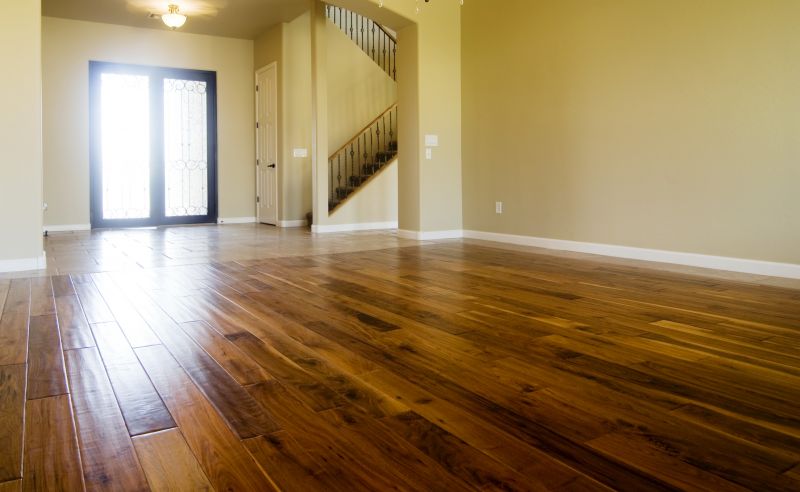
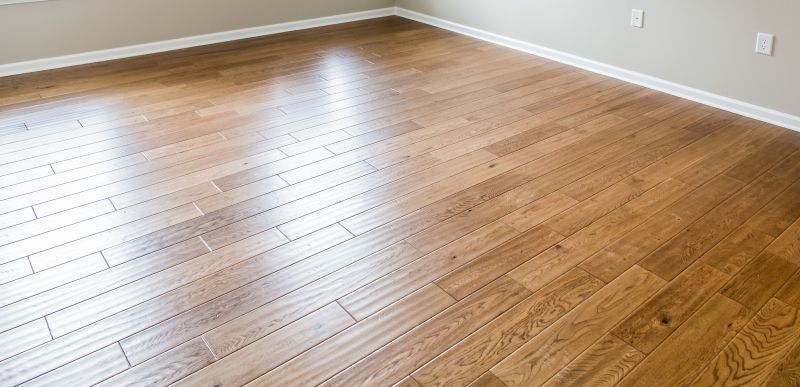
When considering flooring options for a home renovation or upgrade, property owners often explore the differences between hardwood floors installation and engineered wood flooring. Hardwood floors are prized for their natural beauty and durability, making them a popular choice for those looking for a classic, long-lasting surface. Engineered wood flooring, on the other hand, offers a more stable alternative that can perform well in areas with fluctuating humidity or below-grade spaces. Homeowners in the area might look up this topic to understand which type of flooring best suits their lifestyle, existing home conditions, and aesthetic preferences before hiring local contractors to handle the installation.
Many property owners seek guidance on whether to choose traditional hardwood or engineered wood flooring based on practical factors like installation complexity, maintenance needs, and suitability for different rooms. Local service providers can help evaluate the specific conditions of a property and recommend the best flooring type for each space. Whether aiming for a timeless, authentic look or a more adaptable, moisture-resistant option, homeowners often look into these differences to make informed decisions and find experienced contractors who can deliver professional installation tailored to their needs.
Get a Quote for Hardwood Or Engineered Flooring Installation
What are the main differences between hardwood floors installation and engineered wood flooring? Hardwood floors installation involves placing solid wood planks directly onto a prepared subfloor, while engineered wood flooring uses layered plywood with a hardwood surface, offering different stability and installation options.
Which type of flooring is better suited for areas with high humidity? Engineered wood flooring tends to perform better in humid environments due to its layered construction, making it less prone to warping compared to traditional hardwood floors installation.
Can local contractors install both hardwood and engineered wood flooring? Yes, many local service providers are experienced in installing both hardwood floors and engineered wood flooring, allowing homeowners to choose based on their needs and preferences.
Is there a difference in the installation process between hardwood floors and engineered wood flooring? Yes, hardwood floors installation typically requires nail or glue-down methods on a solid subfloor, whereas engineered wood flooring can often be floated, glued, or nailed, depending on the product and site conditions.
What factors should influence the choice between hardwood floors installation and engineered wood flooring? Factors include the location of the installation, environmental conditions, desired durability, and personal aesthetic preferences, with local contractors able to advise on the best option for each situation.
Assessing durability needs - Property owners can evaluate whether hardwood or engineered wood flooring suits the level of foot traffic and wear in different areas of their home by consulting local contractors.
Choosing installation methods - Homeowners can explore various installation options, such as floating or nail-down, with local service providers to determine the best approach for their chosen flooring type.
Matching flooring styles with decor - Property owners can work with local pros to select finishes and plank styles that complement their interior design when considering hardwood or engineered options.
Considering future renovation plans - Homeowners planning to remodel or expand can discuss with local contractors how each flooring type can adapt or be replaced in different spaces over time.
If you are thinking about hardwood floors installation vs. engineered wood flooring for a property, this guide is meant to help you understand this topic, the typical project types, and how different options might fit your plans.
When you are ready, you can use the quote form on this page to share a few details about your project. From there, local pros can review the basics and follow up with options that match what you have in mind.
Get a Quote for Hardwood Or Engineered Flooring Installation